Welcome: Laizhou Machinery Group



Mendoza already has something many wedding venues try to create artificially: vineyards, mountain scenery, wine culture, and a strong destination experience.
For a winery, however, having an attractive landscape does not automatically mean having enough indoor space to host a wedding reception.
A property may have the perfect ceremony location but lack a permanent ballroom capable of accommodating dinner, entertainment, dancing, and guest services.
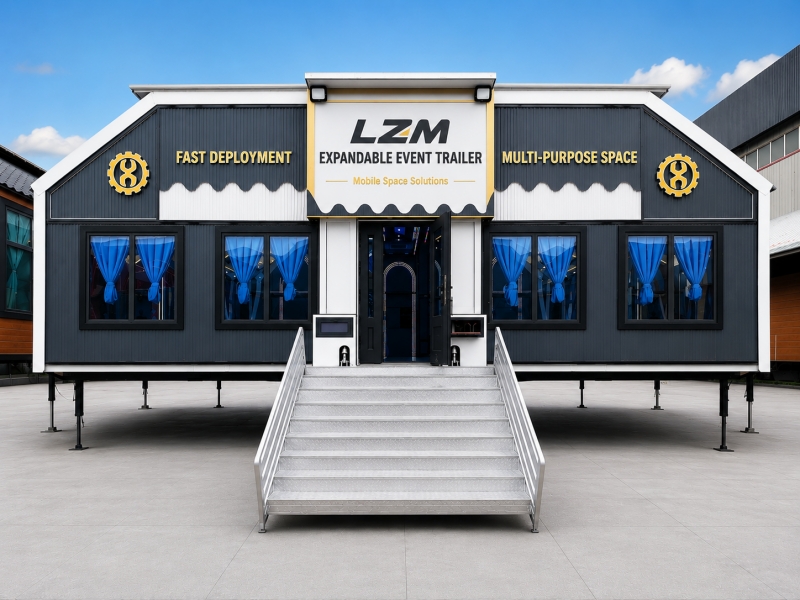
An expandable event trailer offers vineyards and wineries another way to approach this problem: bring the reception space to the property instead of constructing a permanent banquet hall.
Many vineyard weddings are attractive precisely because part of the event takes place outdoors.
The ceremony might be held between vineyard rows, beside a garden, or against a mountain backdrop.
The reception creates different requirements.
Guests may need:
Dining tables and chairs
Dance floor
DJ or live music area
Wedding lighting
Bar service
Climate-controlled indoor space
Audio and visual equipment
Circulation space for catering staff
The expandable trailer can function as the reception venue while the surrounding vineyard remains part of the wedding experience.
A winery's primary business is not necessarily weddings.
Constructing a large permanent banquet facility can involve substantial investment, planning, construction, maintenance, and long-term use of valuable property.
That becomes a more difficult decision if wedding demand is seasonal.
An expandable reception space introduces a different model.
The venue can potentially be deployed during the wedding season and used for other commercial activities at different times of the year.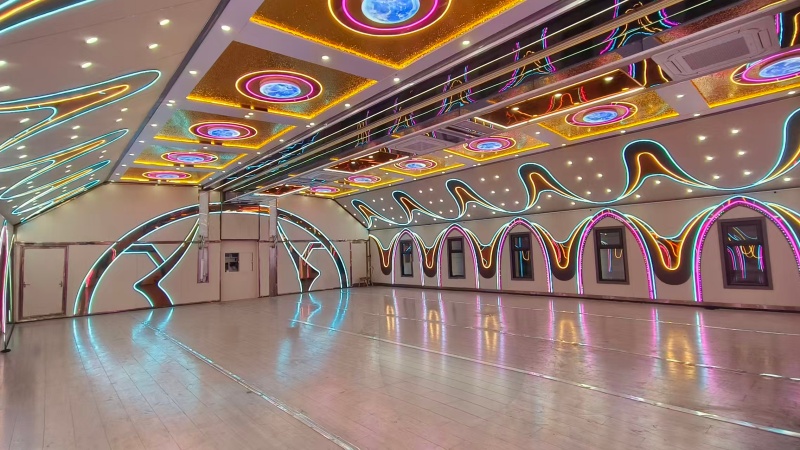
This is particularly relevant to vineyards because the same property may already host several types of visitors.
Outside wedding dates, an expandable venue could potentially support:
Wine tasting events
Distributor meetings
Product launches
Private dinners
Corporate receptions
Tourism events
Wine club gatherings
Seasonal celebrations
The investment is therefore not necessarily limited to wedding revenue.
A winery can evaluate the trailer as a multipurpose hospitality asset rather than a structure used only for ceremonies.
Mendoza attracts visitors who are interested in wine tourism and destination experiences.
For vineyards targeting destination weddings, capacity can become commercially important.
A property may already have accommodation, restaurants, gardens, and attractive outdoor areas but still be unable to accept larger wedding groups because it lacks suitable indoor reception capacity.
Adding temporary expandable space may allow the property to consider events that would otherwise exceed its existing facilities.
Outdoor weddings always involve weather risk.
Rain, strong wind, unusually low temperatures, or excessive heat can disrupt an event that depends entirely on an outdoor setup.
A climate-controlled reception space provides another layer of flexibility.
It does not have to replace the outdoor vineyard wedding experience. It can support it.
The ceremony and photography can remain outdoors when conditions permit, while dining, entertainment, and other activities take place inside.
A vineyard wedding venue should not necessarily look like a generic mobile building.
Interior finishes can be considered according to the positioning of the property and the type of weddings it wants to attract.
A project may include:
Decorative ceiling
Ambient LED lighting
Wedding chandeliers
Wood-style finishes
Large windows
Sound system
Stage or DJ area
Projection or LED displays
The final configuration should be developed around the desired guest experience rather than simply maximizing the number of seats.
A winery considering this type of project should first determine how many guests it wants to accommodate.
A reception for 100 guests has very different space requirements from one designed for 200 or more.
Table arrangement also matters.
Round banquet tables, long dining tables, dance floors, stages, bars, buffet areas, and circulation aisles all consume usable floor area.
Trailer size should therefore follow the wedding layout — not the other way around.
Wedding reception capacity is only one part of the project.
Food preparation and service also need to be considered.
Depending on the winery's existing infrastructure, catering could be handled by:
An existing restaurant kitchen
A nearby commercial kitchen
An external catering company
A separate mobile kitchen facility
This decision affects service doors, electrical requirements, food circulation, and the overall site layout.
Restroom requirements should also be evaluated separately according to guest capacity and local requirements.
For a vineyard that already has the landscape, wine, tourism traffic, and hospitality experience, the missing component may simply be sufficient event space.
An expandable event trailer can create that space without permanently changing the entire property.
For wineries in Mendoza and other wine-producing regions, the concept can support wedding receptions, destination weddings, private celebrations, wine events, and corporate hospitality from the same movable facility.
LZM develops expandable event trailers according to guest capacity, interior layout, climate conditions, lighting, entertainment requirements, and individual hospitality projects.
See how an expandable wedding reception venue works in practice.
Explore the expandable platform for vineyard and destination wedding reception projects:
Expandable Vineyard Wedding Hall