Welcome: Laizhou Machinery Group



A major infrastructure project affects more people than the engineers and contractors building it.
Residents may want to understand what will happen to their neighborhood. Businesses may have questions about access. Property owners may need information about construction schedules. Local organizations may want to review plans before work begins.
But the project itself may be located beside a railway, highway, redevelopment zone or undeveloped site where no suitable public meeting facility exists.
Instead of asking the community to travel elsewhere, an expandable event trailer can create a professional consultation environment close to the project.
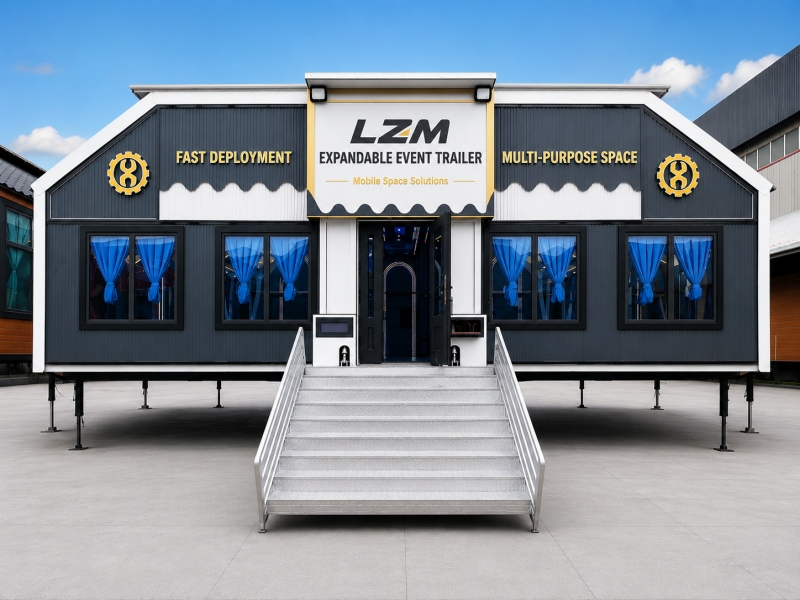
Technical drawings can be difficult for the general public to understand.
A consultation center can translate a complex infrastructure project into a more accessible experience.
Visitors could walk through displays showing:
Project masterplans
Construction phases
Maps
Architectural renderings
Traffic changes
Environmental information
Completion schedules
Large screens or projection systems can also present animations and project videos.
The facility therefore becomes more than a meeting room.
It becomes a place where the public can understand what is actually being proposed.
Instead of filling the interior with rows of chairs, the space can be organized around the visitor experience.
A possible layout could follow:
Entrance → Project Overview → Maps & Displays → Video Presentation → Questions → Private Consultation
Different sections perform different functions.
The first area introduces the project.
The middle area provides detailed information.
The final area gives visitors an opportunity to speak directly with project representatives.
This makes the floor plan part of the communication strategy.
Large infrastructure projects can involve sensitive individual concerns.
A resident may want to discuss:
Property access
Construction noise
Compensation procedures
Traffic disruption
Business impact
Project boundaries
Those conversations may not be appropriate in an open exhibition environment.
Partitions can create smaller consultation rooms where project representatives meet residents individually.
For some projects, several private rooms could operate simultaneously while the main public information area remains open.
Large infrastructure programs often progress through multiple locations.
A road project may move along a corridor.
A railway project may involve several stations.
An urban redevelopment program may include different neighborhoods.
That creates an interesting use case for a mobile facility.
Instead of establishing a completely new consultation office at every stage, the same expandable unit could potentially follow the project:
Location A → Location B → Location C → Location D
The information displayed inside changes.
The consultation platform remains.
Some consultation programs need more than individual visitors walking through displays.
The project team may also organize scheduled presentations.
For these sessions, part of the expandable interior can provide seating facing:
Presentation screen
Speaker position
Project model
Question-and-answer area
After the presentation, visitors can move back into the exhibition and consultation zones.
The same facility therefore supports both open-house visits and organized community meetings.
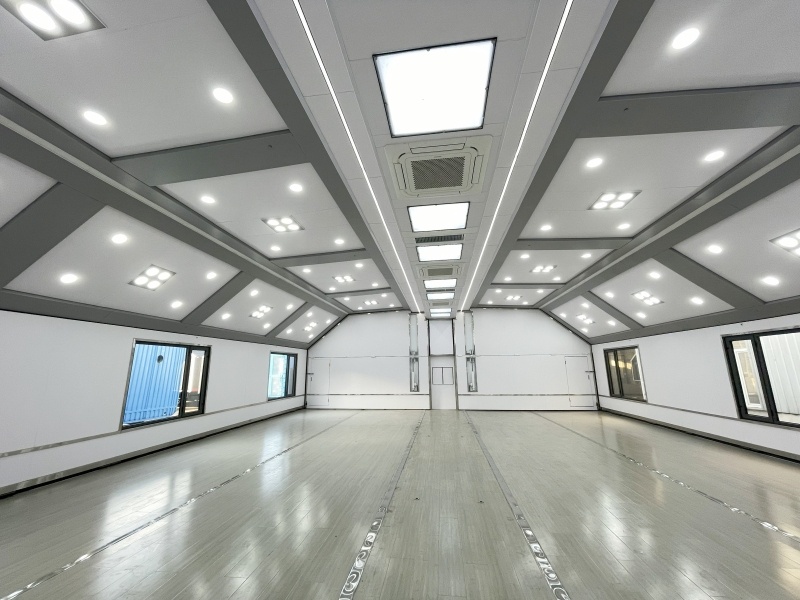
A mobile consultation facility could be relevant to several organizations involved in major projects:
Engineering companies
Infrastructure developers
Construction groups
Public engagement consultants
Urban development companies
Transport authorities
Project management contractors
A specialist public-engagement company could also own the facility and deploy it for different clients.
That creates a rental or service-based business model rather than limiting the unit to one infrastructure project.
A large infrastructure project can last for years.
The facility does not necessarily become unnecessary after the planning consultation stage.
Its role can change as the project develops.
Use it for:
Public consultation
Project presentations
Stakeholder meetings
Change the information and use it for:
Community updates
Construction information
Local business meetings
Reconfigure it for:
Project preview
Media visits
Community events
Opening presentations
The building remains mobile while its communication role evolves.
A public information facility may operate throughout the year.
Visitors need a comfortable environment whether the project is running during a cold British winter or a warmer summer period.
Depending on the operating conditions, the project may require:
Heating
Air conditioning
Insulation
Interior lighting
Electrical distribution
Emergency exits
Screens and AV equipment
The required configuration should be determined according to location, visitor capacity and operating schedule.
Public-facing facilities require particular attention to access.
The project team should consider:
Entrance height
Steps or ramps
Door dimensions
Internal circulation
Emergency exits
Local accessibility requirements
These requirements vary by market and should be confirmed during project planning rather than added after the layout is complete.
A mobile public consultation center only creates value if it can legally and practically move between project locations.
For UK projects, customers need to consider local requirements involving:
Road dimensions
Trailer configuration
Chassis
Axles
Braking
Lighting
Registration and compliance
Depending on the project, supplying the expandable body for integration with a locally compliant chassis may be worth evaluating.
Mobility and compliance need to be considered together.
Large infrastructure projects frequently have one recurring challenge:
the project moves, but communication with the public must continue.
A relocatable consultation facility allows project teams to bring information closer to the communities affected by each phase.
Instead of repeatedly renting halls or creating new temporary offices, the organization can operate a recognizable project information environment that moves as the work progresses.
For infrastructure developers and public-engagement contractors, that can turn a temporary communication requirement into a reusable project asset.
LZM expandable event trailers can be configured with open display areas, meeting layouts, consultation rooms, screens, climate systems and customized interiors according to project requirements.
See the expandable platform that can be adapted to public-facing infrastructure projects:
Expandable Public Engagement Trailer
Explore more government, public-service and expandable mobile space applications for temporary project and community facilities.